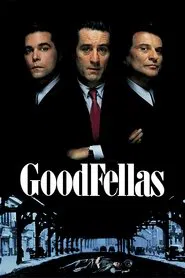
GoodFellas
Genre: Drama, Crime Country: United States of America Director: Martin Scorsese Cast: Robert De Niro, Ray Liotta, Joe Pesci, Lorraine Bracco, Paul Sorvino, Frank Sivero, Tony Darrow, Mike Starr, Frank Vincent, Chuck Low, Frank DiLeo, Henny YoungmanMartin Scorsese’s GoodFellas (1990) is one of the most thrilling and real depictions of organised crime ever seen on film. The movie, based on Nicholas Pileggi’s nonfiction book Wiseguy, tells the story of Henry Hill. He’s a Brooklyn kid who idolises gangsters and eventually becomes one himself. The film shows his rise and fall in the mob world.
Scorsese’s direction and Nicholas Pileggi’s sharp script draw viewers into a realm of loyalty, violence, and temptation. Here, ambition and greed clash with betrayal and paranoia. The film stands out with its energy, dark humour, and raw realism. These elements set it apart from classic gangster dramas and make it a key work in modern cinema.
What separates GoodFellas from its contemporaries is its raw authenticity and dynamic storytelling. Scorsese shuns romanticism and presents the criminal underworld in a gritty way. It’s a world fuelled by greed, loyalty, and a fate of self destruction. The film doesn’t just show organized crime; it digs into the psychology behind it.
It explores how the lure of power and quick money breaks down moral boundaries. GoodFellas changed crime cinema with its smooth editing, voice over narration, and perfect pacing. It reshaped storytelling and inspired many filmmakers. see the best season Stranger Things Season 5
Storyline & Structure
The film takes place over three decades. It shows Henry Hill (Ray Liotta) growing from a young teen to a skilled mobster, fully engaged in the Mafia’s complicated life. The story begins in the 1950s, when Henry becomes involved with local gangsters led by Paulie Cicero (Paul Sorvino).
Henry teams up with the fiery Tommy DeVito (Joe Pesci) and the smooth Jimmy Conway (Robert De Niro). Together, they navigate a world where status and wealth come with bloodshed and betrayal. As Henry’s criminal activities grow, from hijacking trucks to drug smuggling, his life starts to fall apart. This leads to paranoia, addiction, and finally, his collapse.
Scorsese structures GoodFellas as a high speed descent into moral chaos. The nonlinear pacing and frequent voice over give us a close look at Henry’s mind. The film’s rhythm matches its main character’s journey.
It starts off exciting and thrilling, but becomes erratic and stifling as Henry’s empire falls apart. Thelma Schoonmaker’s editing is fast but clear. It keeps the story moving with thrilling urgency. Scorsese’s long takes, like the famous Copacabana tracking shot, pull audiences into the glamour of mob life. They also hint at its eventual downfall.
Cast Performances & Characterization
Ray Liotta’s portrayal of Henry Hill anchors the film with a balance of charm and moral decay. His wide eyed enthusiasm in the early acts slowly turns to desperation and fear. This shows the tempting yet harmful nature of the criminal world.
Liotta shows Henry’s contradictions. He craves acceptance but thrills in danger. Yet, he can’t escape the life he admires. His narration closes the gap, making viewers feel like confidants in his personal journey.
Robert De Niro, as Jimmy Conway, delivers a masterclass in understated menace. His controlled charisma and calculated cruelty make him both magnetic and terrifying. Joe Pesci’s Oscar winning role as Tommy DeVito is one of cinema’s most memorable performances. It’s a wild blend of humour, insecurity, and psychotic rage.
Pesci’s unpredictable energy electrifies every scene, his “Funny how?” confrontation becoming a cultural touchstone for cinematic tension. Lorraine Bracco shines as Henry’s conflicted wife, Karen. Paul Sorvino plays the stoic mob boss, Paulie. Their performances add emotional depth and moral contrast to the chaos.
Action Sequences & Choreography
GoodFellas isn’t a typical action film, but its violent scenes hit hard. They’re crafted with precision and intent, making a strong impression. Scorsese doesn’t glorify brutality; he presents it with chilling realism.
Every act of violence like Tommy’s sudden killing of Billy Batts or the body disposal scenes holds emotional weight. It shows how unstable gangster life can be. The timing of these moments matters. Sudden bursts of violence bring an eerie calm next. This creates a rhythm that reflects the unpredictable world of the mob.
Scorsese’s choreography of motion and music turns everyday criminal acts into cinematic set pieces. The “Layla” montage shows corpses set to Eric Clapton’s sad guitar. It turns murder into a haunting dance of death.
The high speed final sequence captures Henry’s frantic day under police watch. It mixes chaos, paranoia, and quick edits. This creates one of the most immersive views of psychological breakdown ever filmed. Every movement, cut, and song choice tells a story. This shows Scorsese’s unmatched command of cinematic rhythm.
Visuals, Sound, and Technical Elements
Visually, GoodFellas is a masterwork of style and atmosphere. Cinematographer Michael Ballhaus creates a visual style that changes with the story. It’s glamorous and inviting at first, then becomes gritty and claustrophobic as corruption grows.
Handheld cameras and dynamic tracking shots bring immediacy to the story. This makes the audience feel like they are part of Henry’s world. Scorsese’s visuals neon lit nightclubs, smoky bars, and bloody kitchens capture the allure and fall of criminal life.
Sound design and music are integral to the film’s power. Scorsese curates a soundtrack that spans decades, using popular songs to reflect shifts in tone and era. From Tony Bennett’s “Rags to Riches” to The Rolling Stones’ “Gimme Shelter,” every track amplifies mood and meaning. Thelma Schoonmaker’s editing ensures that dialogue, narration, and music blend seamlessly. The film’s sounds gunshots, laughter, clinking glasses draw the audience into the lively chaos of mob life.
Underlying Themes & Series Connections
GoodFellas shows how crime can be alluring but also reveals the downfall that comes with unchecked ambition. The film examines the illusion of control in a world governed by violence and greed. Henry Hill’s journey shows the strong lure of belonging.
Being part of “the family” brings protection, respect, and a sense of identity. But the film shows that loyalty is not absolute. It disappears as soon as self preservation becomes more important. Scorsese shows organized crime as a small version of capitalism. In this world, hierarchy, wealth, and power decide what is right and wrong.
GoodFellas shows Scorsese’s ongoing interest in flawed characters. These characters are often driven by obsession, guilt, and a sense of spiritual emptiness. It links to his earlier films, like Mean Streets, and hints at later themes of corruption and excess in Casino and The Wolf of Wall Street.
The film takes place in mid 20th century America. Its themes temptation, moral compromise, and identity crisis are relatable to everyone. GoodFellas shows more than just crime; it reveals human greed and how fragile power can be.
Critical Response & Audience Reactions
When it was released, GoodFellas was praised for its bold direction, clever writing, and stunning performances. Critics praised Scorsese for changing the gangster genre. He mixed documentary realism with operatic intensity.
The film received six Academy Award nominations. It won Best Supporting Actor for Joe Pesci. Since then, it has appeared on many “greatest films of all time” lists. Roger Ebert called it “a masterclass in filmmaking,” and many scholars see it as the best portrayal of the American underworld.
Audiences, too, were captivated by its visceral energy and dark humor. GoodFellas stands apart from traditional mob films. While many glorify gangster life, this film balances allure with horror. It draws viewers into its moral ambiguity.
Over time, it influenced more than just film. It shaped the look and feel of modern crime dramas on TV, like The Sopranos and Breaking Bad. Its dialogue, scenes, and soundtrack are still cultural touchstones. They resonate with new generations, who see both fascination and warning in its portrayal of excess.
Highlights
Several moments in GoodFellas have become synonymous with cinematic brilliance. The seamless Copacabana tracking shot shows Henry and Karen entering a nightclub. This scene highlights Scorsese’s skill in movement and immersion.
The “Funny how?” The scene between Tommy and Henry, filled with tension and surprise, is one of the most iconic in film history. The “Layla” montage juxtaposing beauty and brutality stands as a testament to the power of music in narrative filmmaking.
Each performance contributes to the film’s enduring impact. Pesci’s wild energy, De Niro’s cool control, and Liotta’s growing despair form a trio of memorable characters. Lorraine Bracco’s role as Karen brings emotional depth.
She gives us a unique look at the effects of a life of crime. GoodFellas is more than a crime drama. It blends technical skill, emotional depth, and cultural insight. This mix creates a cinematic symphony of ambition and destruction.
Shortcomings
GoodFellas is often seen as a masterpiece. However, some critics find its fast pace and raw violence overwhelming. The style is intense, featuring fast editing, loud music, and constant movement.
This doesn’t allow much time for reflection during the first viewing. For some viewers, the absence of a clear moral resolution can be confusing. Scorsese doesn’t judge or glorify his characters, so audiences must wrestle with their own ethical views.
Also, the film shows women in a limited way because of its male dominated world, and this has drawn criticism. Karen’s character is compelling but often overshadowed by the men’s narratives. These elements highlight the story’s misogynistic atmosphere, not a lack of artistic care. In the end, the film’s minor flaws are small next to its amazing storytelling and direction.
Overall Assessment
GoodFellas is a major achievement in modern film. It mixes style, substance, and psychology in a powerful way. Scorsese paints a bold picture of ambition and moral decline. He uses the full power of cinema to draw audiences into the heart of the underworld.
Its mix of movement, sharp dialogue, and vibrant performances keeps it relevant for all generations. Every element from the camera movements to the music is carefully planned. This creates a cinematic experience that is thrilling yet heartbreaking.
GoodFellas stands out not only for its technical skill but also for its lasting insight into human nature. The need for respect, the lure of power, and the certainty of downfall are universal truths, shown here with unmatched skill.
Few films manage to be so entertaining, so insightful, and so brutally honest all at once. More than thirty years on, GoodFellas is still Scorsese’s greatest work. It also remains one of cinema’s best looks at the human soul under pressure.
Score / Rating Summary
Gomovies gives:
Direction: 10 / 10
Writing: 9.8 / 10
Cinematography: 9.6 / 10
Soundtrack & Editing: 10 / 10
Performances: 10 / 10
Emotional Depth: 9.4 / 10
Cultural Impact: 10 / 10
Overall Rating: ⭐ 9.8 / 10
A cinematic tour de force brilliantly written, perfectly performed, and visually electrifying.