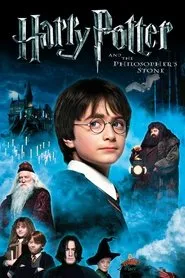
Harry Potter and the Philosopher’s Stone
Genre: Adventure, Fantasy Country: United Kingdom and United States of America Director: Chris Columbus Cast: Daniel Radcliffe, Rupert Grint, Emma Watson, Richard Harris, Tom Felton, Alan Rickman, Robbie Coltrane, Maggie Smith, Richard Griffiths, Ian Hart, Fiona Shaw, John HurtHarry Potter and the Philosopher’s Stone marked the cinematic beginning of one of the most influential fantasy franchises of modern storytelling. Serving as the audience’s entry point into J.K. Rowling’s Wizarding World, the film establishes the foundational mythology, introduces beloved characters, and balances whimsy with a sense of discovery.
Director Chris Columbus crafts a tone that feels both inviting and imaginative, capturing the sense of wonder that defined the early chapters of the book. The movie successfully blends childhood innocence with magical adventure, creating a film that appeals to viewers of all ages.
Its dedication to worldbuilding showcases every corner from Diagon Alley to the halls of Hogwarts with meticulous detail. This introductory chapter sets the stage for the much darker and more complex narratives that follow, yet maintains a warmth that has become synonymous with the franchise. Harry Potter and the Philosopher’s Stone movie is listed in our popular movies.
Storyline & Structure
The narrative follows Harry Potter, an orphan raised by an unkind family, who discovers on his eleventh birthday that he is a wizard. His invitation to Hogwarts School of Witchcraft and Wizardry propels him from an oppressive mundane life into a realm filled with awe, mystery, and purpose.
The storyline is structured around his initial encounters with the wizarding world, friendships with Ron Weasley and Hermione Granger, and the deeper mystery surrounding the Philosopher’s Stone. The film follows a classical three act progression. The first act explores Harry’s origins and the reveal of his magical heritage.
The second focuses on his integration into Hogwarts, exposing viewers to magical classes, Quidditch, and the school’s many secrets. The final act culminates in a confrontation that sets up the overarching conflict of the series. Although it caters to younger audiences, the structure is carefully shaped to maintain suspense and emotional investment.
Cast Performances & Characterization
The trio of Daniel Radcliffe, Rupert Grint, and Emma Watson deliver remarkably strong performances for their age, establishing character dynamics that would evolve throughout the franchise. Radcliffe embodies Harry’s mix of humility, bravery, and curiosity, anchoring the story with emotional sincerity.
Grint’s Ron brings levity and heart, while Watson’s Hermione showcases intellect and determination, creating a balanced and compelling team. The adult cast adds gravitas, injecting the story with sophistication. Alan Rickman’s Severus Snape remains one of the film’s standout portrayals/enigmatic, severe, and perfectly measured.
Maggie Smith’s Professor McGonagall and Richard Harris’s Albus Dumbledore enrich the world with warmth and authority, offering guidance that feels both wise and grounded. Together, the cast elevates the film beyond a simple children’s fantasy.
Action Sequences & Choreography
Though not as action driven as later entries, Potter includes several memorable sequences. The mountain troll encounter blends humor with danger, highlighting the trio’s teamwork and resourcefulness.
The pacing of this sequence maintains tension without slipping into overly intense territory, making it suitable for its intended audience. The life sized Wizard’s Chess set remains one of the film’s most iconic displays of visual action. The choreography captures the peril and scale of the game, transforming a familiar pastime into a dramatic battleground.
Though early in the series, these moments establish the franchise’s ability to weave action into character development rather than relying solely on spectacle. Want a movie with Comedy, Drama, Romance? Forrest Gump is one of them.
Visuals, Sound, and Technical Elements
Production design is one of the film’s greatest strengths. The sets feel lived in and richly constructed from Hogwarts’ moving staircases to the quaint charm of Hogsmeade shops. This attention to detail allowed fans to immerse themselves fully in the fictional world. The early 2000s CGI occasionally shows its age, yet it still retains charm and imaginative flair, especially in scenes featuring magical creatures and spells.
John Williams’ score elevates the film’s emotional impact. The now iconic Hedwig’s Theme instantly captures the sense of magic and mystery that defines the series. Sound design, costuming, and practical effects all work in harmony to create a cohesive visual and auditory experience that remains beloved decades later.
Underlying Themes & Series Connections
Beyond its magical exterior, the film presents universal themes of friendship, identity, and courage. Harry’s transition from an unwanted child to a valued figure in a larger community resonates strongly with viewers. The story also explores moral questions, temptation, sacrifice, and the battle between good and evil through accessible and meaningful interactions.
This entry subtly sets the stage for the unfolding saga of Lord Voldemort and the darkness looming over the wizarding world. While maintaining a lighthearted tone, it plants narrative seeds that blossom in later installments. Many symbolic elements such as Harry’s scar, his connection to Voldemort, and the significance of choice began their slow evolution here.
Critical Response & Audience Reactions
Upon release, Harry Potter and the Philosopher’s Stone was celebrated for its faithfulness to the book and its ability to bring the magical world to life. Critics praised its visual design, charming cast, and accessible storytelling. Some noted its lengthy runtime and slower pacing, but these elements were often considered necessary to establish the richness of the universe.
Audiences embraced the film wholeheartedly. For many, it served as an introduction to a cultural phenomenon that would define their childhoods. The movie’s family friendly approach allowed it to reach a broad demographic, contributing to its massive box office success and longstanding legacy.
Highlights
One of the film’s greatest strengths is its worldbuilding. From Ollivanders to the Great Hall, every environment feels carefully crafted and brimming with authenticity. The casting of both the young leads and seasoned veterans is another notable highlight, ensuring that character relationships feel organic from the beginning.
Additionally, the blend of whimsy and adventure creates a distinctive tone rarely replicated in fantasy cinema. Key scenes such as Harry’s first Quidditch match, the Mirror of Erised moment, and the final reveal of Professor Quirrell’s true allegiance remain deeply memorable even decades after release. Are you a Romance, Drama? Let me tell you the movie in which you get a full Romance, Drama. The movie’s name is 365 Days.
Shortcomings
Despite its achievements, the film isn’t without weaknesses. Certain CGI elements, particularly during the Quidditch sequence, reflect the limitations of early 2000s technology. These moments appear noticeably dated compared to more polished visual effects in later installments.
Some scenes lean heavily into exposition, occasionally slowing pacing. While necessary for world introduction, these sequences sometimes lack the narrative momentum found in later chapters of the series. Nonetheless, such issues do not significantly detract from the film’s overall experience.
Overall Assessment
Harry Potter and the Philosopher’s Stone is a foundational cinematic achievement that successfully ushers audiences into one of the most beloved fictional universes. Its blend of charm, mystery, and emotional depth allows viewers to connect with its characters and themes, making it more than a simple children’s film.
The movie’s dedication to authenticity and detail ensures that it remains relevant long after its debut. As the first chapter in a sprawling saga, it accomplishes exactly what it sets out to establish characters, introduce major themes, and build a magical world that feels both expansive and intimate. Its legacy is undeniable, serving as a cornerstone of modern fantasy storytelling.
Score / Rating Summary
Storyline & Structure: 8.7/10
Cast Performances & Characterization: 9.3/10
Action Sequences & Choreography: 7.9/10
Visuals, Sound, and Technical Elements: 9.4/10
Underlying Themes & Series Connections: 9.0/10
Critical Response & Audience Reception: 8.8/10
Overall Score: 8.9/10
Gomovies gives: