Schindler’s List
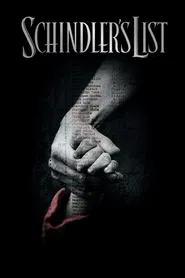
Genre: Drama, history,War Country: United States Director: Steven Spielberg Cast: Liam Neeson, Ben Kingsley, Ralph Fiennes, Caroline Goodall, Jonathan Sagall, Embeth Davidtz, Małgorzata Gebel, Shmuel Levy, Mark Ivanir, Béatrice Macola, Andrzej Seweryn, Friedrich von ThunSchindler’s List (1993) is one of the most powerful films ever made, and its reputation has only deepened over time. Directed by Steven Spielberg and based on Thomas Keneally’s novel Schindler’s Ark, the film tells the true story of Oskar Schindler, a German industrialist who saved more than 1,100 Jews during the Holocaust. For readers browsing the GoMovies, it stands out as a film that is not only important to watch, but important to remember.
What makes this Schindler’s List review so enduring is the way Spielberg transforms history into a deeply human moral experience. The film does not sensationalize tragedy; it observes it with painful clarity and compassion. Its black-and-white imagery, restrained direction, and emotional honesty create a work that feels less like a conventional movie and more like an act of remembrance. It belongs naturally beside other landmark dramas such as The Godfather and The Godfather Part II, because all three films explore the moral cost of power in unforgettable ways.
The movie also matters because it represents one of Spielberg’s most mature artistic statements. It is a story about survival, conscience, and the possibility of moral awakening in a world built on cruelty. That gives it a place not just in film history, but in cultural memory.
Storyline & Structure
The story follows Oskar Schindler, a businessman who arrives in Kraków during World War II looking to profit from wartime chaos. At first, he is motivated by ambition, status, and opportunity. He hires Jewish workers because they are inexpensive and useful to his factory, but as the reality of Nazi persecution becomes impossible to ignore, his outlook begins to change. What begins as opportunism slowly becomes a story of rescue and sacrifice.
The film’s structure is carefully built to reflect Schindler’s moral transformation. Spielberg does not rush the shift. Instead, he allows the audience to watch it unfold through increasingly devastating events. The violence around Schindler, especially the brutality of the Kraków ghetto and the machinery of deportation, gradually pushes him toward a new understanding of responsibility. This careful pacing makes every turning point feel earned.
The narrative also balances individual perspective with historical scale. We experience the Holocaust through Schindler’s business dealings, the suffering of the Jewish community, and the cold logic of Nazi power. That structure gives the film emotional intimacy without losing the wider historical reality. If you appreciate powerful, character-centered storytelling, you may also like The Smashing Machine, which approaches personal struggle in a very different but equally intense way.
Cast Performances & Characterization
The Schindler’s List cast delivers performances that are both deeply restrained and emotionally devastating. Liam Neeson gives Oskar Schindler complexity and contradiction. He is charming, ambitious, morally compromised, and eventually transformed by what he witnesses. Neeson never plays him as a saint; instead, he plays him as a flawed man whose humanity slowly awakens. That makes the character’s arc feel powerful and believable.
Ben Kingsley’s Itzhak Stern provides the film’s moral center. His performance is quiet, observant, and deeply dignified. Stern does not need grand speeches to command the screen; his calm intelligence and integrity do the work. Ralph Fiennes, as Amon Goeth, gives one of the most chilling performances in cinema history. He is frightening precisely because he is not exaggerated. His cruelty feels ordinary, which makes it far more disturbing.
What makes the characterization so strong is that each major figure reveals a different moral response to the same historical nightmare. Schindler changes, Stern endures, and Goeth exposes the banality of evil. That contrast gives the film its emotional and philosophical force. The characters do not simply move the plot forward; they embody the film’s central questions about conscience, power, and human worth.
Action Sequences & Choreography
Schindler’s List is not an action film in the conventional sense, but its scenes of violence are staged with extraordinary precision. Spielberg uses tension, silence, and realism to make each eruption of brutality feel unbearable. The liquidation of the Kraków ghetto is one of the film’s most devastating sequences because it is not presented as spectacle. It feels immediate, chaotic, and terrifyingly human.
The film’s violence is powerful because it is never stylized in a way that distances the viewer. Instead, it forces the audience to confront the randomness and cruelty of persecution. The violence on-screen is not there for excitement; it exists to show how systems of power destroy lives. That is why the film’s most intense moments remain unforgettable long after the viewing ends.
The emotional choreography of the film is just as important as its physical violence. Spielberg carefully balances scenes of terror with moments of compassion, hesitation, and moral awakening. That contrast makes Schindler’s eventual transformation even more meaningful, because it happens in direct response to the brutality around him.
Visuals, Sound, and Technical Elements
Janusz Kamiński’s cinematography gives the film its haunting identity. The black-and-white palette evokes documentary realism and strips away any sense of visual comfort. This choice makes the film feel closer to memory than fiction, which is exactly why it has such enduring impact. The absence of color allows the moral contrasts of the story to come into sharper focus.
The rare use of color, especially the girl in the red coat, becomes one of the most powerful symbols in modern cinema. That small moment cuts through the visual austerity of the film and focuses the viewer’s attention on innocence amid mass atrocity. It is a reminder that even within historical catastrophe, individual lives matter.
John Williams’ score, with its mournful and restrained emotional tone, deepens the film’s tragic beauty. It does not manipulate the audience; it mourns with them. The music, combined with the sound design and careful editing, gives the film an immersive seriousness. Every technical detail supports the historical reality and emotional truth of the story.
Underlying Themes & Meaning
At its core, Schindler’s List is a film about morality, conscience, and the possibility of redemption. It asks what can move a person from self-interest to sacrifice, and what it means to act when the world around you is collapsing into evil. Schindler’s transformation is the film’s central ethical journey, and it becomes a powerful argument for the idea that compassion can still matter in the darkest times.
The film also explores the fragility of human dignity. It shows how systems of power can reduce people to numbers and erase individuality, while also showing how acts of kindness can resist that destruction. That is one reason the film feels especially vital on GoMovies for viewers seeking cinema that challenges as well as moves them. It is not simply a story about survival; it is a story about bearing witness.
The ending quote about saving one life carries the film’s broader moral meaning. The message is simple, but the film gives it tremendous weight through everything that comes before it. The story argues that moral courage is not abstract. It is measured in action, responsibility, and the refusal to look away.
Schindler’s List Ending Explained
The Schindler’s List ending explained begins with Schindler’s realization that the war is ending and that his factory, his wealth, and his carefully built system of protection can no longer shield the people he has saved. This realization breaks him emotionally. He sees that he could have done more, and that awareness becomes one of the most heartbreaking moments in the film. The ending is not about triumph; it is about grief, regret, and the unbearable awareness of what was lost.
The final scene, in which the survivors and their descendants honor Schindler’s grave, gives the film its emotional closure. It does not erase the horror that came before it. Instead, it acknowledges that remembrance is part of survival. The moment connects the past to the present and turns the story into a living memorial rather than a finished narrative.
What makes the ending so powerful is that it transforms Schindler’s emotional collapse into a lasting moral statement. He is not celebrated as a flawless hero. He is remembered as a man who acted when he could, and who still wished he had done more. That mixture of gratitude, sorrow, and humility is what gives the ending its lasting power.
Critical Response & Audience Reactions
When Schindler’s List was released, it was met with immediate critical acclaim and quickly recognized as one of Spielberg’s greatest films. It won multiple Academy Awards, including Best Picture and Best Director, and critics praised its moral seriousness, formal control, and historical weight. The film’s restraint was especially admired because it allowed the material to speak for itself.
Audience reactions were equally profound. Many viewers described screenings as emotionally overwhelming, and the film soon became an essential tool in Holocaust education. Its realism, emotional force, and historical respect gave it a rare cultural status. Over time, it has continued to be treated not only as a masterpiece, but also as a moral document.
The film’s reputation has remained strong because it does something few films dare to do. It asks viewers not just to feel, but to remember. That has made it one of the most respected and discussed films in the history of cinema.
Who Should Watch This Movie?
- Viewers who appreciate serious historical drama
- People interested in Holocaust remembrance and history
- Fans of powerful character-driven storytelling
- Audiences looking for emotionally profound cinema
- Students of film, history, and ethics
Highlights
- Liam Neeson’s deeply layered performance
- Ralph Fiennes’ terrifying portrayal of Amon Goeth
- Janusz Kamiński’s unforgettable black-and-white cinematography
- The red coat sequence, one of cinema’s most iconic images
- A finale that transforms memory into moral witness
Shortcomings
- The film’s emotional intensity can be overwhelming
- Its realism may feel too harrowing for some viewers
- The restrained style may seem slow to audiences expecting conventional drama
Overall Assessment
Schindler’s List is one of the most significant films ever made because it combines historical truth with extraordinary artistry. It is a film about genocide, but even more importantly, it is a film about conscience. Spielberg’s direction never loses sight of the human beings at the center of the tragedy, and that is what gives the movie its lasting force.
Its emotional power comes from its honesty. The film never pretends that goodness erases horror, but it does show that goodness can still matter. That is why Schindler’s List continues to be seen not only as a masterpiece of cinema, but also as a moral testimony to human responsibility.
Final Verdict
Schindler’s List (1993) is a devastating, essential, and unforgettable work of cinema. It stands as both a historical record and a deeply moving reflection on the possibility of moral courage in the face of evil.
For viewers seeking one of the most important films ever made, this is a must-watch on GoMovies. It is the kind of film that stays with you long after it ends, not because it comforts, but because it demands remembrance.
Score / Rating Summary
- Story: 10/10
- Acting: 10/10
- Visuals: 9.9/10
- Direction: 10/10
- Overall: 10/10
Common Questions
Is Schindler’s List based on a true story?
Yes. It tells the true story of Oskar Schindler, who saved more than a thousand Jews during the Holocaust by employing them in his factories.
Why was the film shot in black and white?
Spielberg used black and white to create historical realism and evoke the visual language of wartime photography and documentary footage.
What does the girl in the red coat symbolize?
She represents innocence and individuality amid mass tragedy. Her red coat is the film’s most famous visual symbol.
Where was Schindler’s List filmed?
The movie was filmed largely in Poland, including locations in Kraków, to preserve historical authenticity.
What is the main message of the film?
The film shows that even in the darkest times, one person’s compassion and courage can save lives and leave a lasting moral legacy.