The Midnight Meat Train
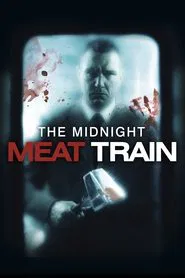
The Midnight Meat Train
- Genre: Horror, Mystery, Fantasy
- Country: United States of America
- Director: Ryuhei Kitamura
- Cast: Bradley Cooper, Vinnie Jones, Brooke Shields, Leslie Bibb, Roger Bart, Ted Raimi, Peter Jacobson, Barbara Eve Harris, Stephanie Mace, Tony Curran, Quinton ‘Rampage’ Jackson, Nori Sato
The Midnight Meat Train is a dark horror thriller from a short story by Clive Barker. The film explores the city’s subway system, mixing psychological horror with graphic violence. It follows a photographer as he unravels a disturbing mystery, revealing something far more sinister than he expected.
What makes the film stand out is its commitment to atmosphere and brutality. It does not rely on cheap scares alone. Instead, it builds tension through unease, shadows, and the unknown. The story explores obsession and curiosity, showing how the pursuit of truth can lead to dangerous consequences.
Storyline & Structure
The story focuses on Leon, a photographer trying to get noticed. He becomes fascinated with capturing real images of city life. Then, he discovers a series of disappearances tied to the late night subway. His search leads him to a strange man who rides the train at night. This man’s actions challenge logic and morality.
The film starts slowly, focusing on Leon’s ambition and personal life. As the story unfolds, the pace quickens. The mystery grows in layers, shifting from a crime investigation to something darker and supernatural. In the final act, the tone changes dramatically, exposing a hidden world that alters everything.
Cast Performances & Characterization
Bradley Cooper plays Leon with a mix of curiosity and vulnerability. His performance captures the transformation from an ambitious artist to a man consumed by obsession. The character’s journey feels believable, even as the events around him become increasingly extreme.
Vinnie Jones delivers a chilling performance as Mahogany, the silent and menacing antagonist. Without relying heavily on dialogue, he creates a sense of constant threat. His physical presence and controlled movements make the character deeply unsettling. Supporting roles add context to Leon’s world, though they are less developed.
Action Sequences & Choreography
The film’s action sequences are intense and often disturbing. Rather than focusing on traditional fight choreography, the scenes emphasize brutality and shock. The violence is graphic, with a deliberate effort to unsettle the viewer. These sequences are carefully staged to maximize tension.
Confined spaces, such as subway cars and tunnels, heighten the sense of danger. The lack of escape routes adds urgency to every encounter. While not action in a conventional sense, these moments are impactful and memorable.
Visuals, Sound, and Technical Elements
Visually, the film leans heavily into dark tones and harsh lighting. The subway setting is portrayed as claustrophobic and oppressive. Shadows dominate the frame, creating a constant sense of uncertainty. The use of color is minimal but effective, often highlighting moments of violence.
Sound design is crucial. Train sounds, metal clinks, and distant echoes shape the atmosphere. The score adds tension. These elements work together to create an immersive and unsettling experience. They remain consistent throughout the film. Underlying Themes & Series Connections
One central theme is obsession. Leon’s drive to capture truth pushes him beyond limits. The film also shows hidden worlds beneath everyday life. It suggests that reality is more complex and dangerous than it seems. There is also a theme of sacrifice and control. As the story unfolds, it introduces a hierarchy that governs the events in the subway.
This adds a layer of mythos, connecting the narrative to broader horror traditions. While not part of a larger film series, it feels connected to the style and themes often found in Clive Barker’s work.
Critical Response & Audience Reactions
The film received mixed responses from critics. Some praised its bold approach to horror and its visual style. Others criticized its heavy reliance on gore and its abrupt narrative shift in the final act. Audience reactions were similarly divided. Horror fans who appreciate intense and graphic storytelling found it compelling.
Others felt it was too extreme or unsettling. Over time, the film has gained a cult following, with viewers revisiting it for its unique tone and atmosphere.
Highlights
A major highlight is the performance of Vinnie Jones, whose portrayal of Mahogany leaves a lasting impression. His silent menace adds depth to the film’s horror elements. The atmosphere is another strong point, with the subway setting used effectively to create tension. The film’s willingness to take risks also stands out. It does not follow a predictable path, and its final reveal adds a layer of complexity that invites discussion. These elements make it memorable within the horror genre.
Shortcomings
The heavy use of graphic violence may not appeal to all viewers. At times, it can feel excessive, overshadowing the story. This limits the film’s accessibility and may distract from its thematic depth. Additionally, the narrative shift in the final act can feel abrupt. While it adds originality, it may leave some viewers confused or disconnected. More development in this section could have improved the overall impact.
Overall Assessment
The Midnight Meat Train is a bold and unsettling film that pushes the boundaries of horror. It combines strong performances, a unique setting, and intense imagery to create a distinct experience. While not without flaws, it succeeds in delivering a memorable story. For viewers who appreciate darker and more graphic horror, the film offers something different. It challenges expectations and leaves a lasting impression, even if it is not universally appealing.
Score / Rating Summary
The film shines in atmosphere and performance. However, it falters with uneven storytelling and too much gore.